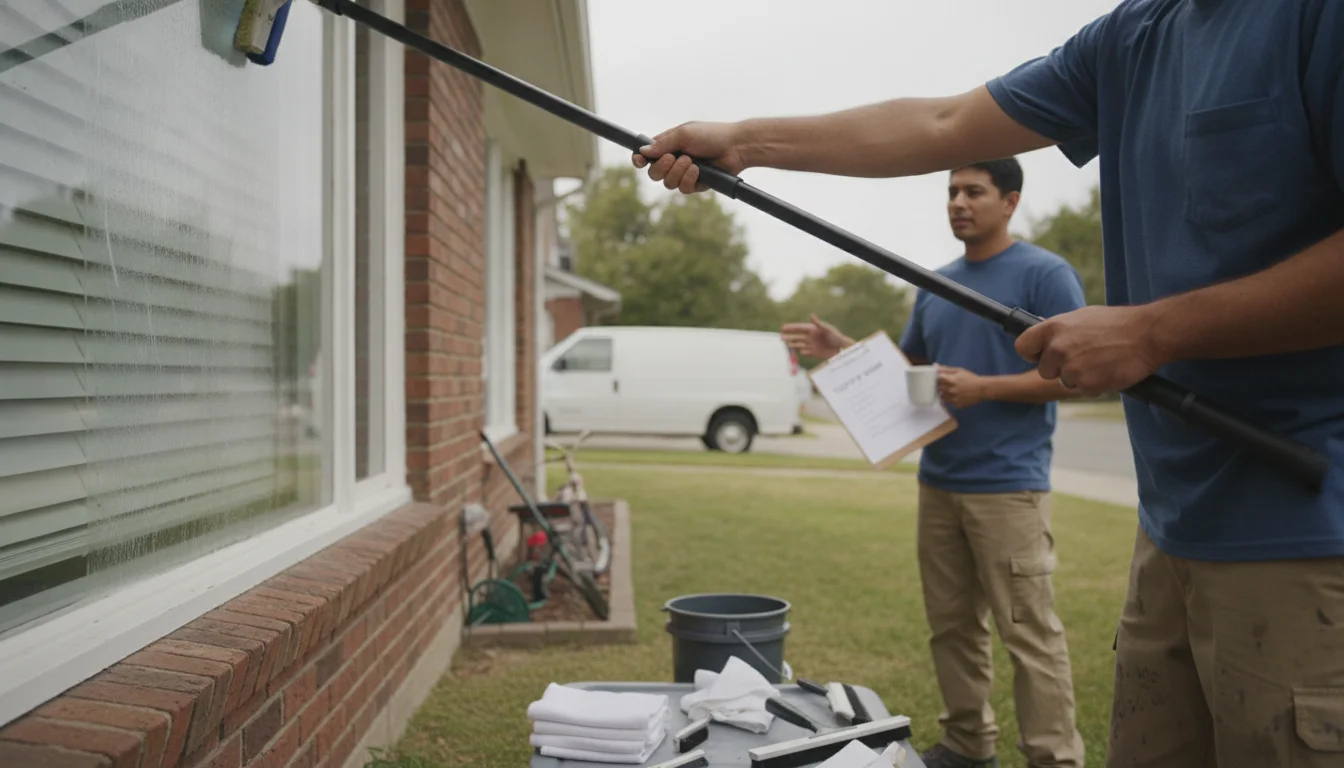
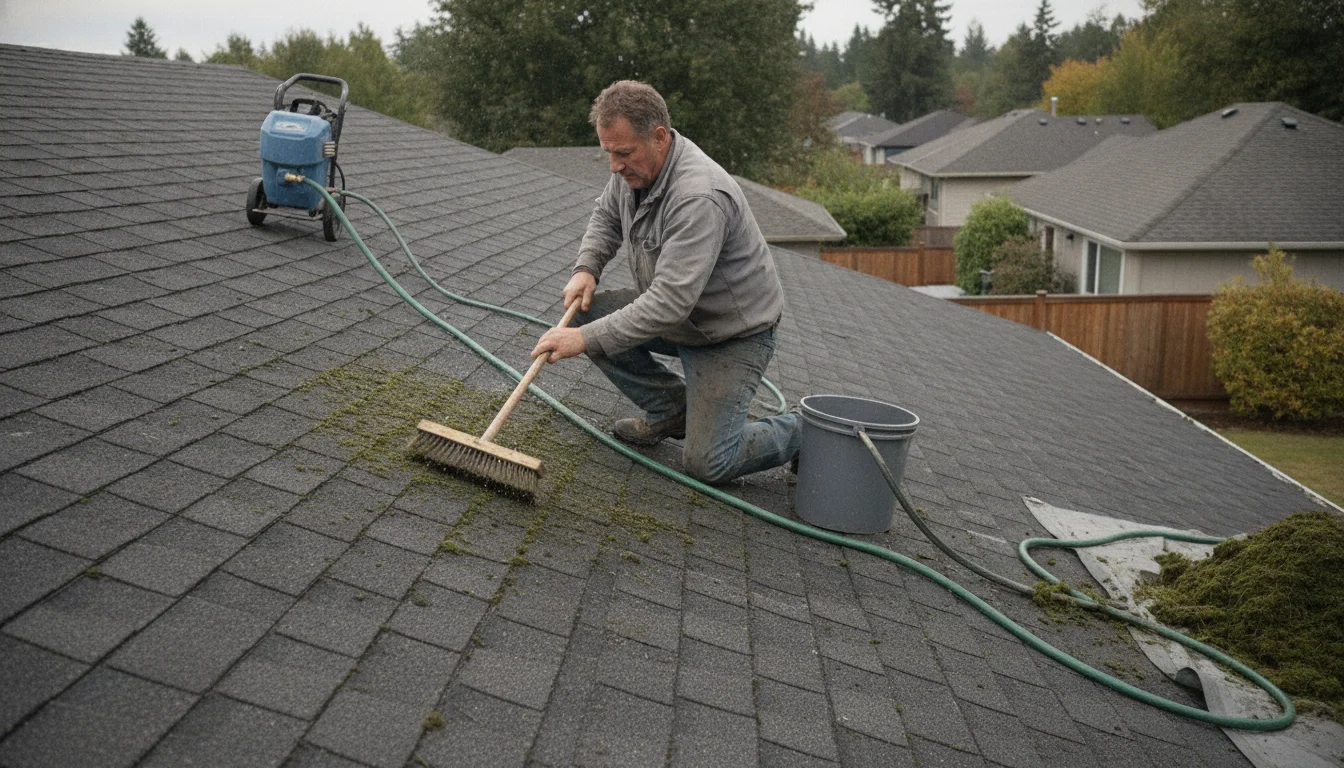
Soft washing cedar siding is the safer method for most homes because low pressure plus a wood-safe cleaner removes mold and algae without chewing up the grain or driving water behind boards. That means a cleaner finish, less risk of damage, and longer life for your stain or paint. Denver Pressure Washing serves Denver homeowners and property managers with this gentle, proven approach.
Key Takeaways
- For cedar, soft washing cleans safely while avoiding grain lift and water intrusion.
- Use low pressure (often 100–300 PSI at the tip) and let a wood-safe cleaner do the work.
- Control runoff, pre-wet and rinse plants, and keep the rinse angle downward.
- Plan maintenance every 12–24 months in Denver’s climate to stay ahead of stains.
Cedar looks warm and classic until dark streaks and green spots creep in. Many people search for house washing near me and consider renting a pressure washer, but cedar is not like concrete or brick. When you’re soft washing cedar siding, technique, chemistry, and a light touch matter more than muscle.
Soft washing vs. pressure washing: what works best for cedar?
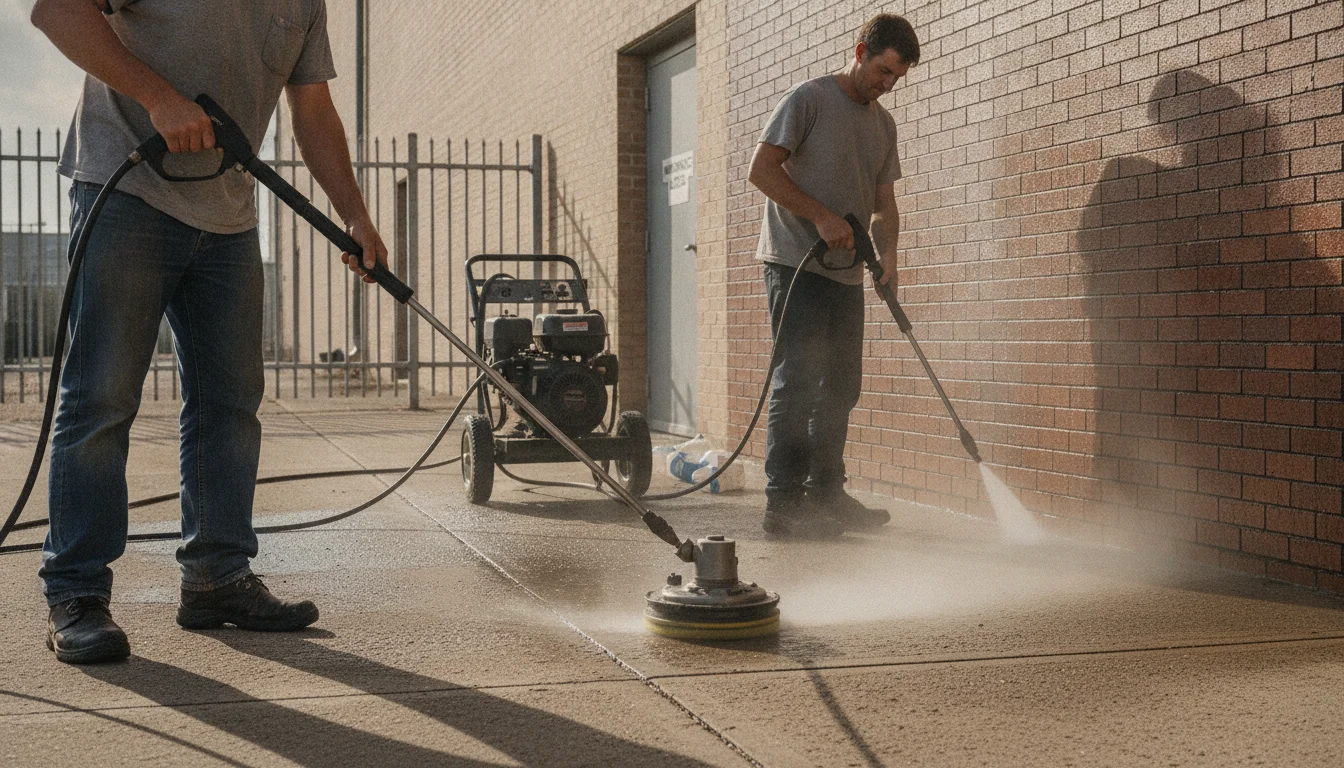
Soft washing uses low-pressure water paired with a cleaning solution so the chemistry handles the heavy lifting, and the rinse stays gentle. By contrast, pressure washing relies on higher PSI (often 1,500–3,000+ PSI for typical machines) to scrub with force.
Here is the clear answer: for most homes, soft washing cedar siding is the safer choice. It clears mold, mildew, and grime without tearing the soft wood fibers or forcing water behind laps. This same low-pressure method is also effective when soft washing stucco and suits other delicate exteriors like painted trim and vinyl siding.
Cedar is a soft wood, and the grain can lift under too much force, leaving a fuzzy feel and a blotchy look. High pressure can also push water into seams, which may lead to stains, odors, or moisture problems inside the wall. With the right mix and a controlled rinse, a soft wash keeps the wood sound and the finish intact.
Risks to cedar: grain lift, water intrusion, and discoloration
High pressure can raise springwood fibers—a problem called grain lift—which leaves a rough surface that traps dirt faster next time. Water driven behind boards can wet housewrap and sheathing; trapped moisture feeds mold and can stain fasteners. Cedar’s natural oils can leach out as tannin bleed, creating brown streaks when finishes are compromised.
Cleaner choice matters. A mild, plant-safe detergent with a small amount of sodium hypochlorite (often around 0.5–1.0% on the surface for organic growth) breaks down algae and mildew. Add a surfactant so the solution clings and works at low pressure. Always pre-wet landscaping, control runoff, and rinse plants thoroughly to protect your yard.
A safe cleaning process for cedar siding
A careful plan protects the home and restores an even, bright look:
- Inspect: Note loose boards, gaps, peeling paint, and heavy stains. Test a hidden spot first.
- Mask: Cover outlets, doorbells, cameras, and delicate plants. Close windows and protect obvious gaps with painter’s tape where appropriate.
- Mix: Choose a wood-safe cleaner per label directions. Start mild; make a second pass if needed.
- Apply: Work from bottom up to prevent streaks. Allow proper dwell time so chemistry can work.
- Agitate: Use a soft brush on stubborn areas, brushing with the grain.
- Rinse: Use low pressure at a downward angle. Do not drive water under laps or into joints.
- Post-wash: Rinse plants again. If needed, apply a wood brightener to even color, then let siding dry fully before any stain or paint.
Choosing the right method and a maintenance plan
Soft washing cedar siding is usually enough for light soil and early algae. A gentle rinse removes residue after the cleaner does its job. On heavy growth, two light applications are safer than one aggressive blast. Save higher pressure for durable surfaces like concrete or pavers, not cedar.
Painted or stained cedar adds a protective layer. Follow the coating manufacturer’s care and warranty guidance—too much heat, harsh chemistry, or long dwell times can dull the finish. Keep work areas cool and shaded where possible.
Plan simple upkeep. In Denver, a wash every 12 to 24 months typically keeps stains in check, especially after pollen peaks, wildfire smoke, or dusty wind events. Spring or fall offers milder temperatures and steady drying. Light DIY care—like rinsing dust from lower courses and trimming back plants—helps. For deeper cleaning, House Washing Services in Denver, CO | Exterior Cleaning and Soft Washing Services in Denver, CO | Gentle Exterior Cleaning are designed for delicate exteriors. Denver Pressure Washing works across Denver weekly with safe chemistry, trained techs, and tidy rinsing.
Frequently Asked Questions
Can you pressure wash cedar siding at all?
You can rinse cedar, but keep pressure very low with a wide fan tip. Let the cleaner do the work, not force. Aim downward and keep your distance; if you see the wood start to fuzz, stop and switch to a softer method.
What cleaner is safe for cedar?
A mild, wood-safe detergent with a small percentage of sodium hypochlorite (about 0.5–1.0% on the surface) works on mold and algae. Include a surfactant for cling. Always test a small area first, pre-wet plants, and rinse thoroughly.
How long should cedar dry before staining or painting?
Allow cedar to dry completely. Dry time depends on shade, airflow, and weather; many pros wait several warm, dry days after washing. If moisture lingers, coatings may not bond well. A moisture meter helps when refinishing soon after cleaning.
Key takeaways
- Soft washing is the safer approach for most cedar siding in Denver.
- Let chemistry work at low pressure; keep the rinse angle downward.
- Protect landscaping and manage runoff throughout the process.
- Match care to the existing finish and follow coating guidelines.
- Maintain every 12–24 months for lasting curb appeal and protection.
Conclusion
Cedar needs care, not force. A gentle wash with smart chemistry and a low-pressure rinse cleans effectively while protecting the wood and finish. For local help, Denver Pressure Washing can set up a safe plan for your siding and other exterior surfaces. Contact us.